

Poland does not have one dumpling. It has a whole family of them, and every one of them has a job. Some go in soup. Some get fried in butter until the edges crisp. Some arrive at the table covered in sugar and sour cream and count as dinner.
The best known Polish dumplings are pierogi (filled half-moons), kopytka (soft potato dumplings), kluski śląskie (Silesian dumplings with a dimple), pyzy (round potato dumplings with meat inside), uszka (tiny mushroom dumplings for Christmas soup), knedle (sweet dumplings wrapped around whole plums) and leniwe (lazy pierogi, cut from a cheese dough). Pierogi are boiled then usually pan-fried; the potato kinds are boiled and served under browned butter or gravy.
I grew up with a different one of these on the table most weeks, depending on what was cheap and what was in season. Here are all 17 of the ones we make, grouped by kind, with the dough that works for each. Save the list — you will come back to it around Christmas.
Never made Polish dumplings before? Start with kopytka — four ingredients, no filling, no folding, and they are on the table in half an hour.
Pierogi — The Filled Ones
The dumpling everyone knows. Same dough every time, and the filling decides whether it is dinner or dessert.
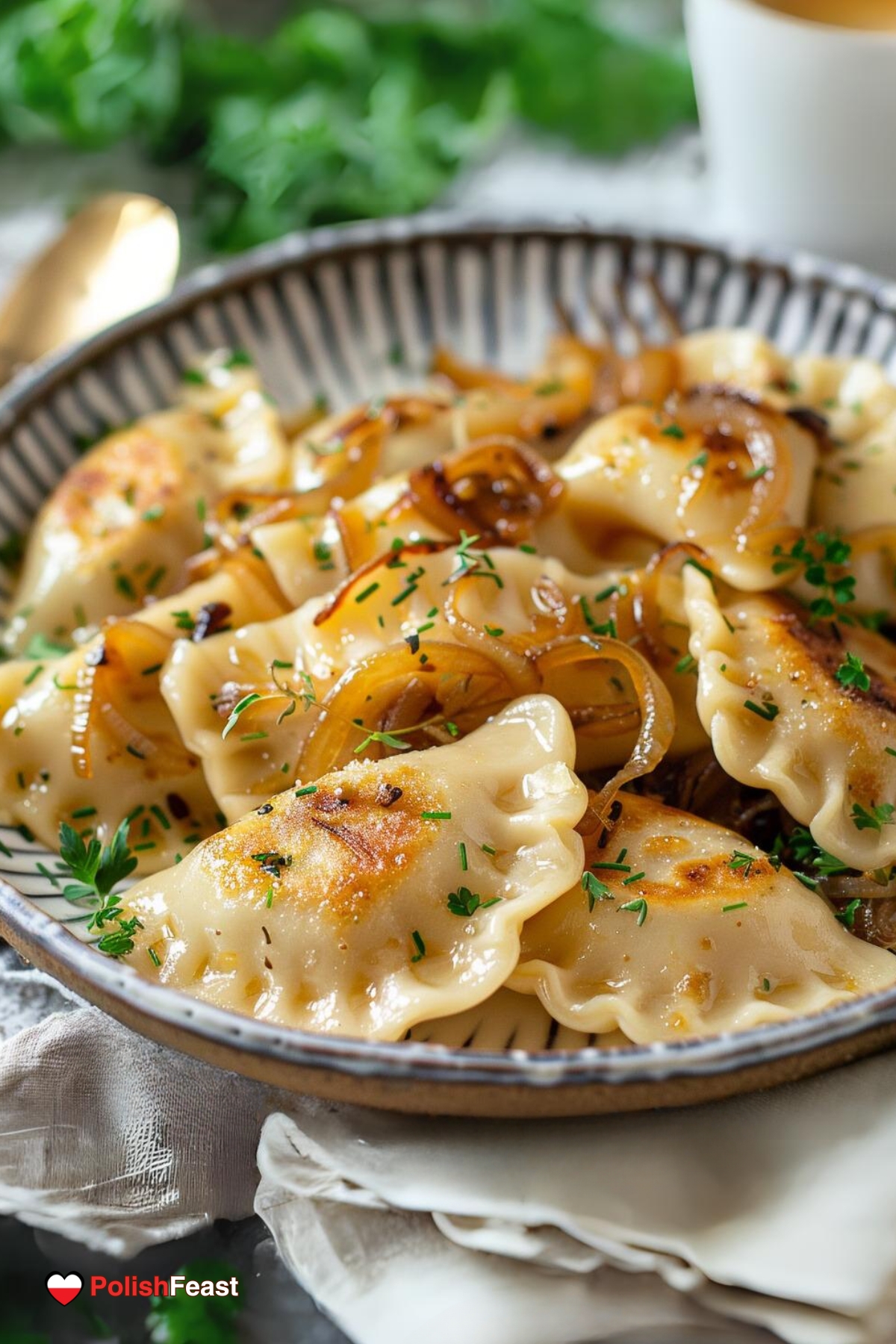
1. Pierogi Ruskie (Potato & Cheese)
⭐⭐⭐⭐⭐ 5.0 from 2 reviews
The most-made pierogi in Poland, despite the name — potato and twaróg, nothing else. If you make one filling in your life, make this one.

2. Pierogi z Mięsem (Meat Pierogi)
⭐⭐⭐⭐⭐ 5.0 from 9 reviews
Slow-cooked beef and pork ground fine with onion. This is the filling my grandmother reserved for Sunday, and it freezes beautifully by the tray.

3. Pierogi z Serem (Farmer’s Cheese)
⭐⭐⭐⭐⭐ 5.0 from 1 review
Twaróg with a little sugar and egg yolk — soft, tangy, and not overly sweet. Serve with sour cream and let everyone add their own sugar.
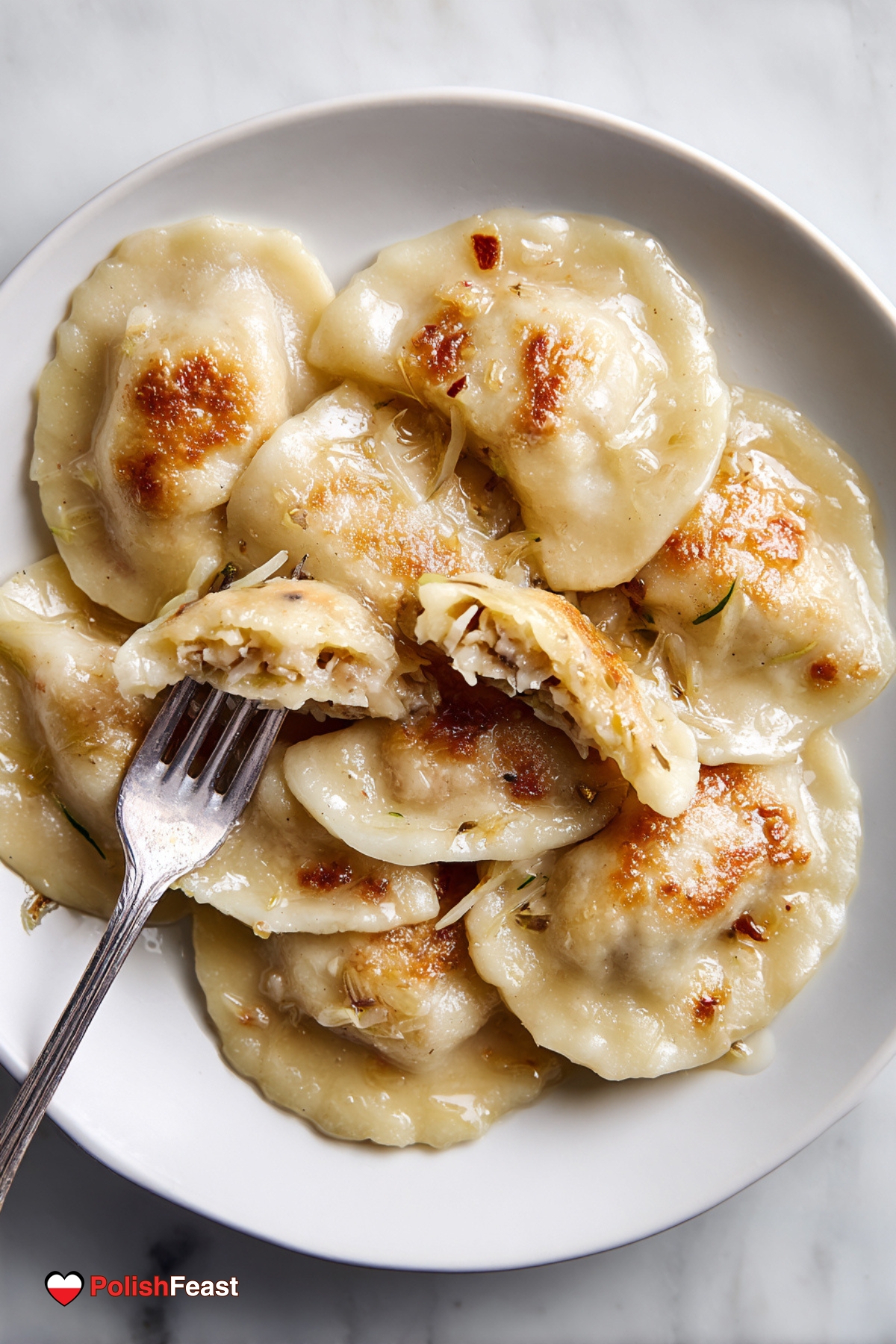
4. Pierogi z Kapustą i Grzybami
⭐⭐⭐⭐⭐ 5.0 from 1 review
Sauerkraut and dried forest mushrooms, the Christmas Eve filling. The dried mushrooms are not optional; they are the whole flavour.

5. Spinach Pierogi
A newer filling that has earned its place — spinach, garlic and farmer’s cheese. The one my kids ask for without being told it is vegetables.

6. Pierogi z Jagodami (Blueberry)
⭐⭐⭐⭐⭐ 5.0 from 1 review
Summer on a plate. The berries burst as they boil and stain the dough purple, which is exactly how you know they are ready.

7. Pierogi z Truskawkami (Strawberry)
⭐⭐⭐⭐⭐ 5.0 from 1 review
Made for about three weeks a year when Polish strawberries are at their best. Sour cream and sugar on top, eaten warm, no apologies.

8. Pierogi ze Śliwkami (Plum)
Late-summer węgierki plums, halved and tucked inside. A little cinnamon in the sugar you scatter over the top makes them.
Potato Dumplings
No filling, no folding — flour, potato and a fork. These are the weeknight dumplings, the ones that turn leftover potatoes into dinner.
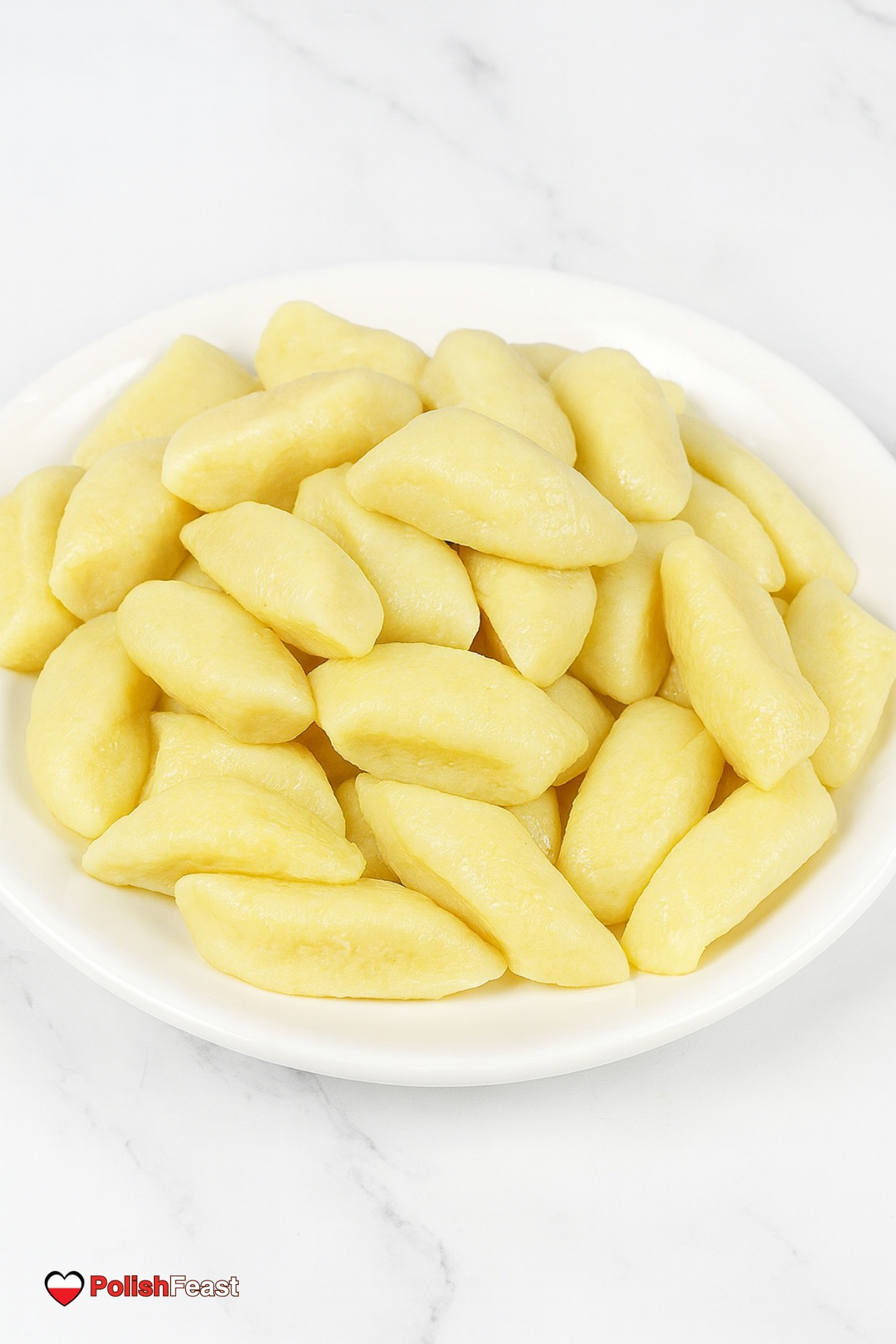
9. Kopytka (Little Hooves)
⭐⭐⭐⭐⭐ 5.0 from 10 reviews
Cut on the diagonal so they look like hooves, hence the name. Boiled, then fried in butter until the edges go golden — that step is the whole point.
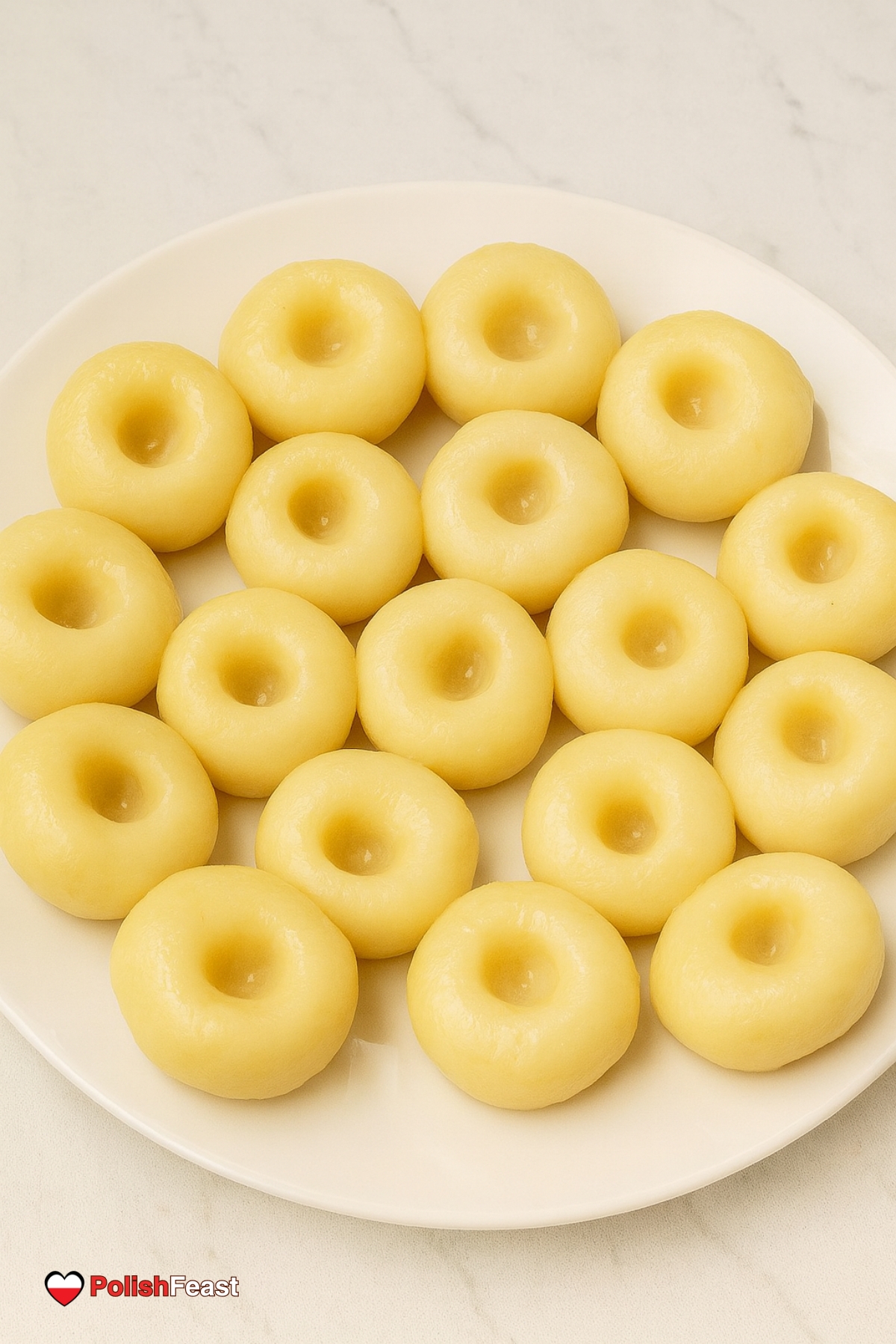
10. Kluski Śląskie (Silesian Dumplings)
Round, glossy and pressed with a thumb to make a dimple that holds gravy. The classic partner to rouladen and red cabbage.

11. Pyzy z Mięsem (Stuffed Potato Dumplings)
Raw and cooked potato together, wrapped around seasoned meat. Heavier than pierogi and completely worth it on a cold day.
Sweet Knedle
Whole fruit inside a potato-dough jacket, boiled and rolled in buttery breadcrumbs. In Poland these are lunch, not pudding.

12. Knedle ze Śliwkami (Plum Knedle)
A whole plum inside each one, sometimes with a sugar cube where the stone was. Toasted breadcrumbs and butter over the top.
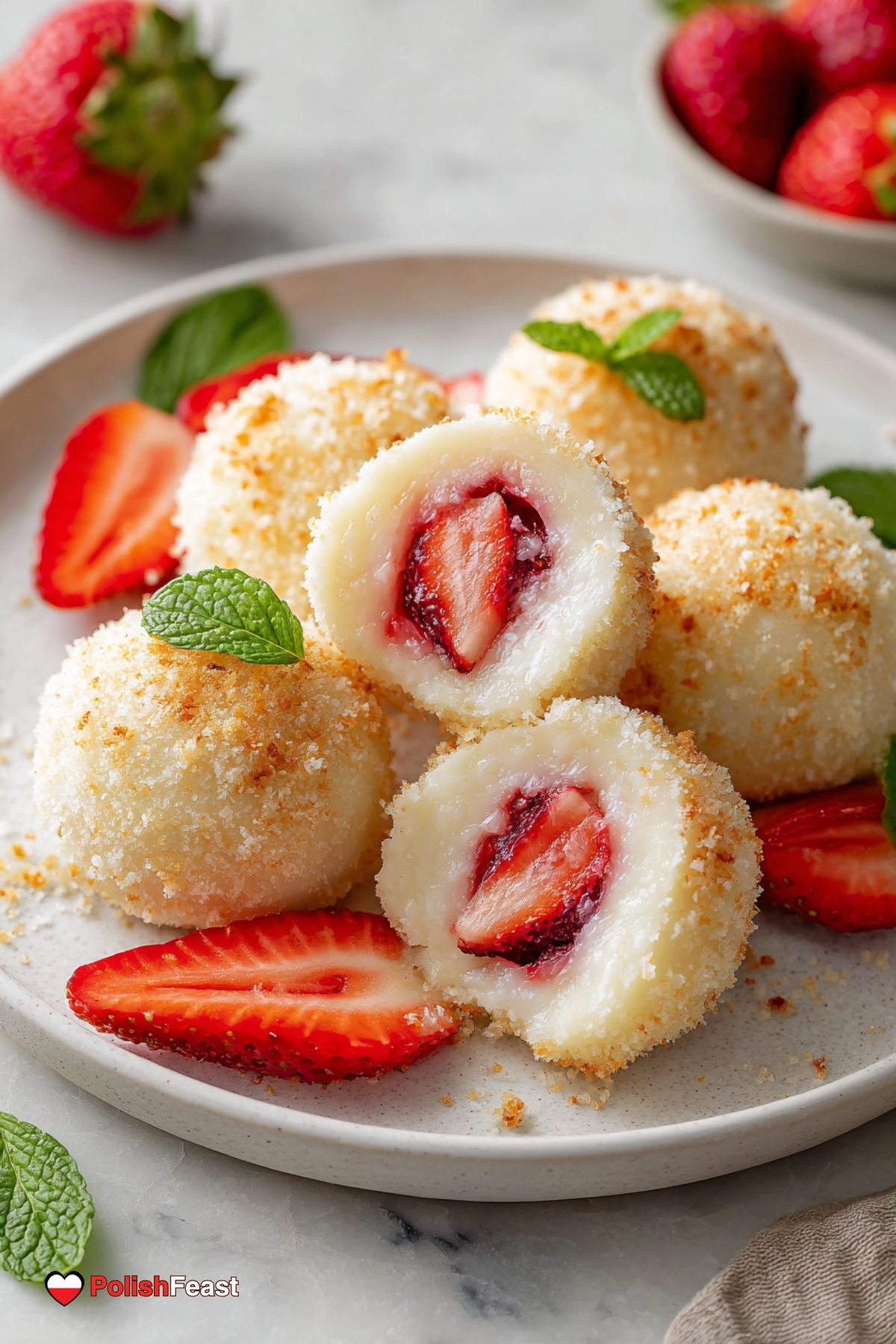
13. Knedle z Truskawkami (Strawberry Knedle)
The June version. Use small firm berries so they hold their shape while the dumpling cooks around them.
Soup Dumplings
Small enough to float. Both of these exist to be dropped into clear broth, and both are Christmas Eve staples.
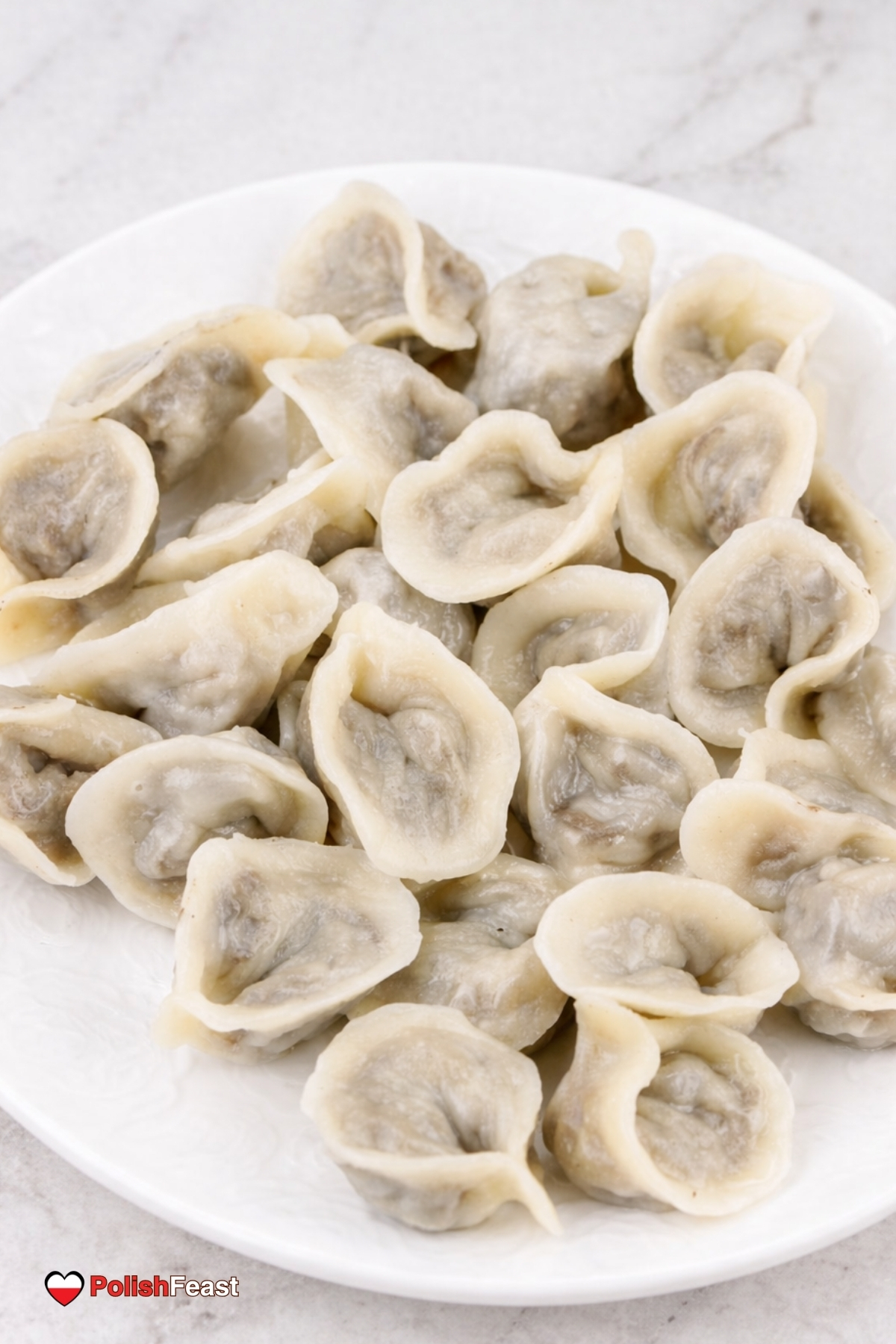
14. Uszka (Little Ears)
Tiny mushroom dumplings, pinched into rings, served in beetroot barszcz on Wigilia. Fiddly, traditional, and worth making with two pairs of hands.
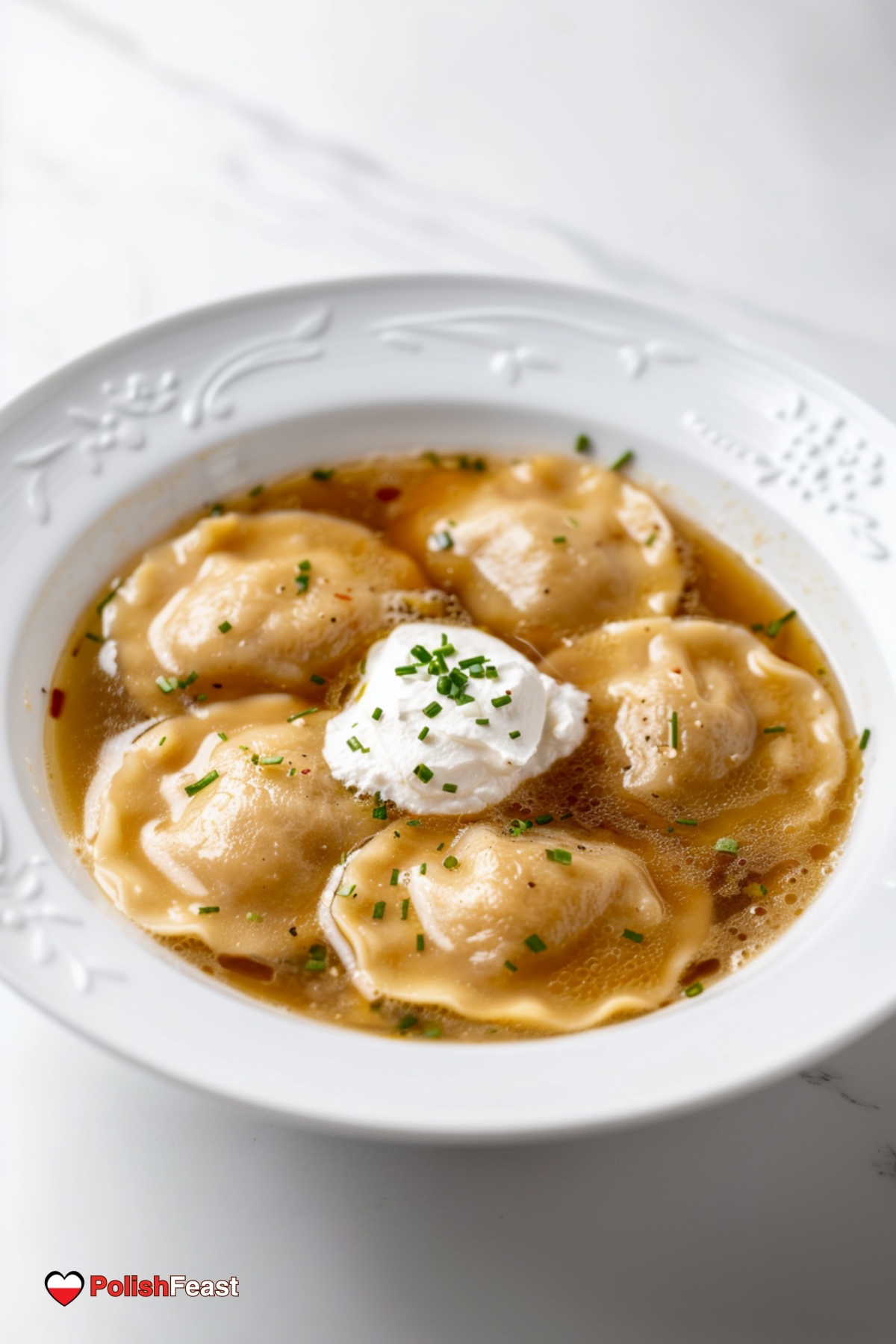
15. Kołduny (Meat Soup Dumplings)
Poland’s Lithuanian inheritance — thin dough, seasoned meat, eaten straight from the broth. Smaller than pierogi and juicier inside.
The Easy Ones
For the days when nobody is folding anything.

16. Leniwe (Lazy Pierogi)
⭐⭐⭐⭐⭐ 5.0 from 10 reviews
Farmer’s cheese worked into a dough, rolled, and cut into pillows. All the flavour of cheese pierogi in fifteen minutes, which is why they are called lazy.
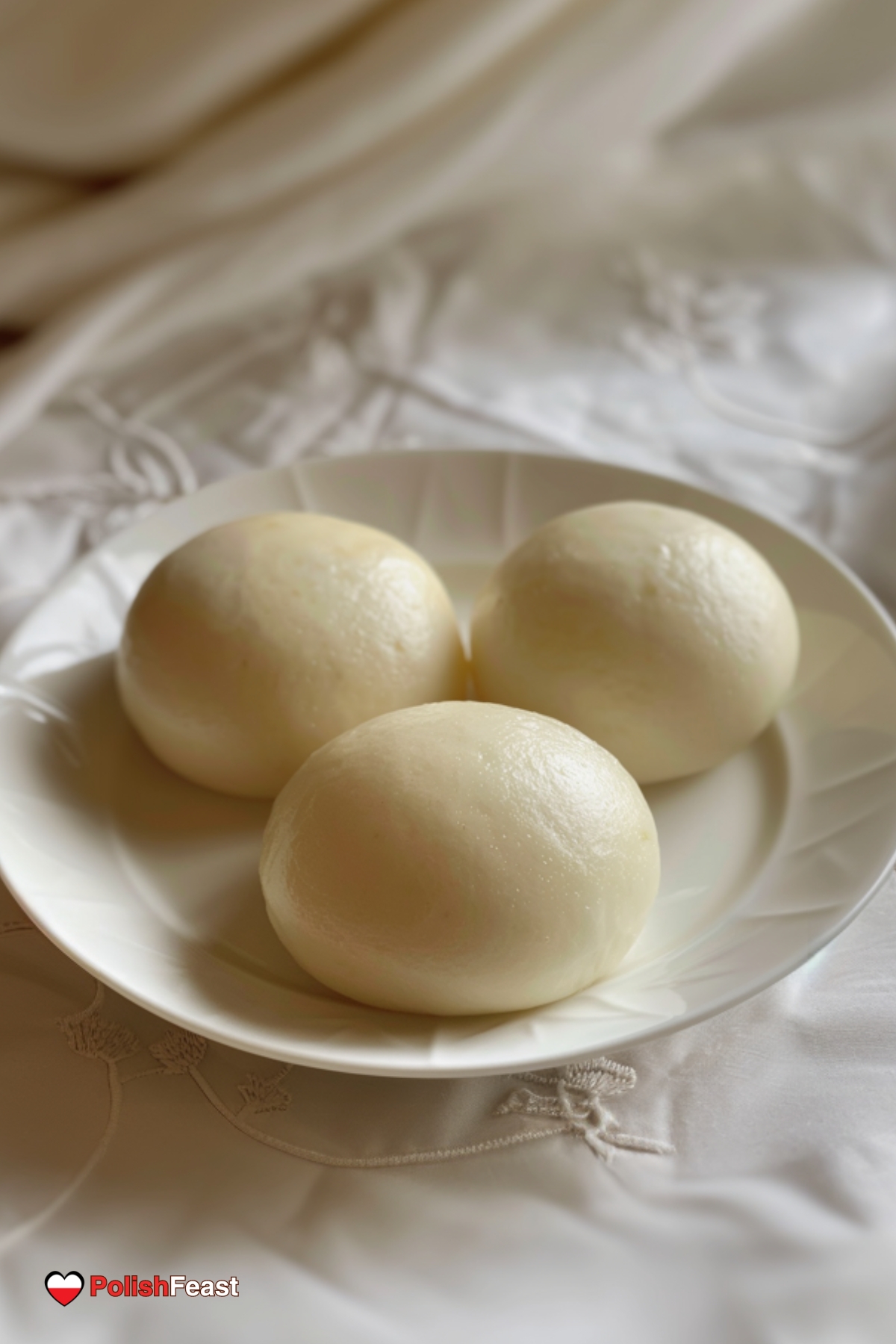
17. Pampuchy (Steamed Buns)
Yeast dumplings steamed over a pot until they puff. Served with meat and gravy, or with fruit and cream — they go either way.
The Dough, and What to Serve Alongside
Get the dough right and every dumpling above works. These are the recipes that go with them:
- The Best Polish Pierogi Dough
- Gluten-Free Pierogi Dough
- Haluski (Fried Cabbage and Noodles)
- Kluski z Serem (Cottage Cheese Noodles)
- Kluski z Makiem (Poppy Seed Noodles)
- Polish Mushroom Sauce
- Homemade Sauerkraut
- Pierogi and Kielbasa in a Crockpot
Polish Dumpling FAQ
What are Polish dumplings called?
There is no single word. Pierogi are the filled half-moon dumplings; kopytka and kluski śląskie are potato dumplings with no filling; pyzy are round stuffed potato dumplings; uszka are tiny soup dumplings; knedle are sweet dumplings wrapped around whole fruit; and leniwe are lazy pierogi cut from a cheese dough. Poles use the specific name, never a general one.
What are Polish dumplings made of?
Pierogi dough is flour, warm water, a little fat and salt — no egg in most family recipes, which keeps it soft. Potato dumplings like kopytka and kluski śląskie are cooked potato, flour and sometimes potato starch. Knedle use a potato dough too, wrapped around fruit.
Can you freeze Polish dumplings?
Yes, and you should. Freeze them uncooked in a single layer on a tray, then bag them once solid so they do not stick. Boil from frozen and add two or three minutes. Pierogi, uszka, kołduny and pyzy all freeze well; sweet knedle are best eaten fresh.
What is the difference between pierogi and kopytka?
Pierogi are filled — you roll the dough, cut circles, add a filling and seal them. Kopytka have no filling at all: the potato is in the dough itself, which is rolled into a rope and cut on the diagonal. Kopytka take about half the time.
Which dumpling did your family make most? Tell me in the comments — and pin this list so it is there when December comes and you need uszka in a hurry.


